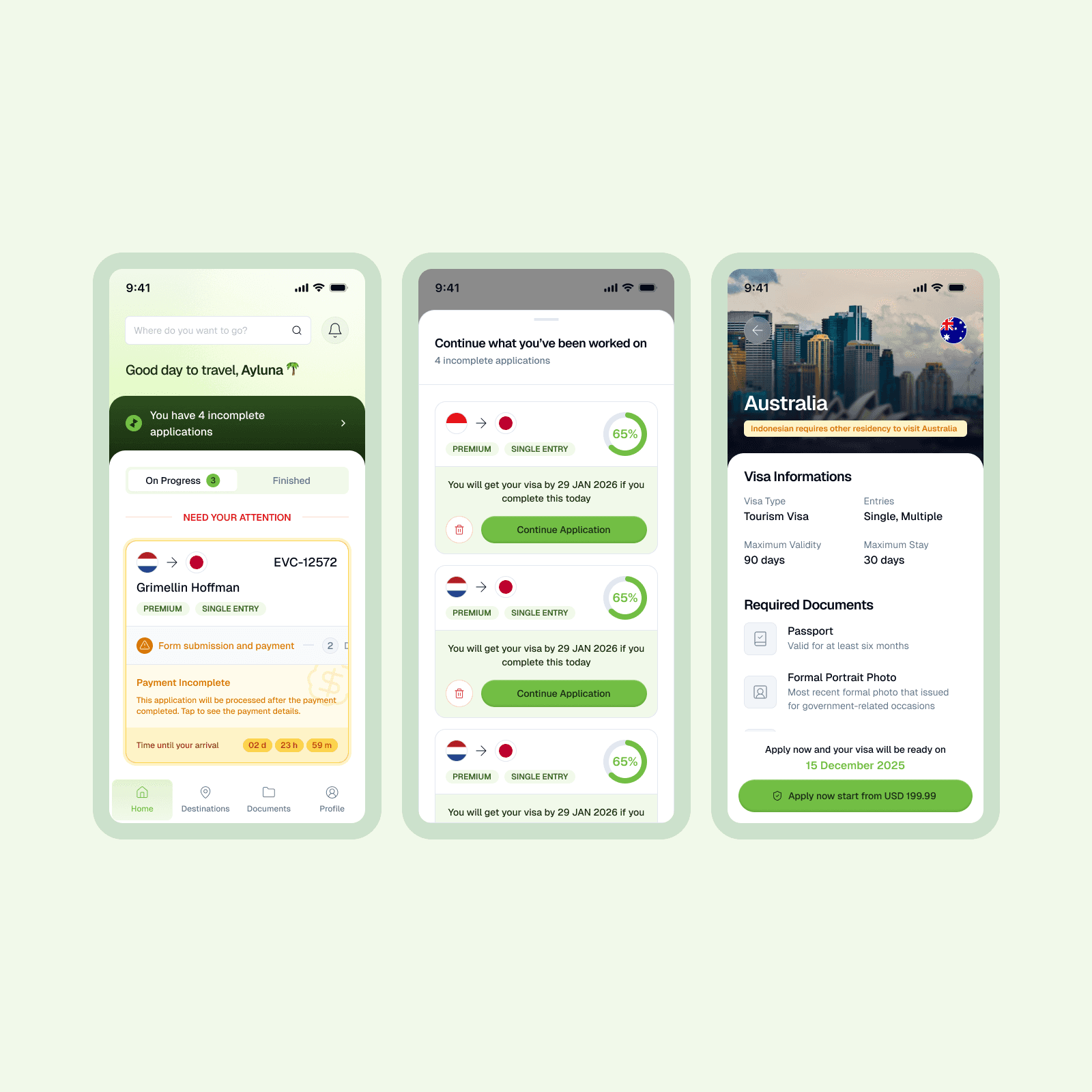
This case study continues the transformation of eVisas.com, focusing on redesigning the destination landing page experience and the content production workflow behind it.
Although destination pages attracted strong organic traffic, nearly 75% of visitors left without starting a visa application. Research through Google Analytics, Microsoft Clarity, and stakeholder interviews revealed opportunities to improve both the user journey and the publishing workflow. The pages relied on text-heavy layouts, weak visual hierarchy, and poorly positioned calls to action, while maintaining over 100 landing pages through WordPress' block-based editor had become a major operational bottleneck.
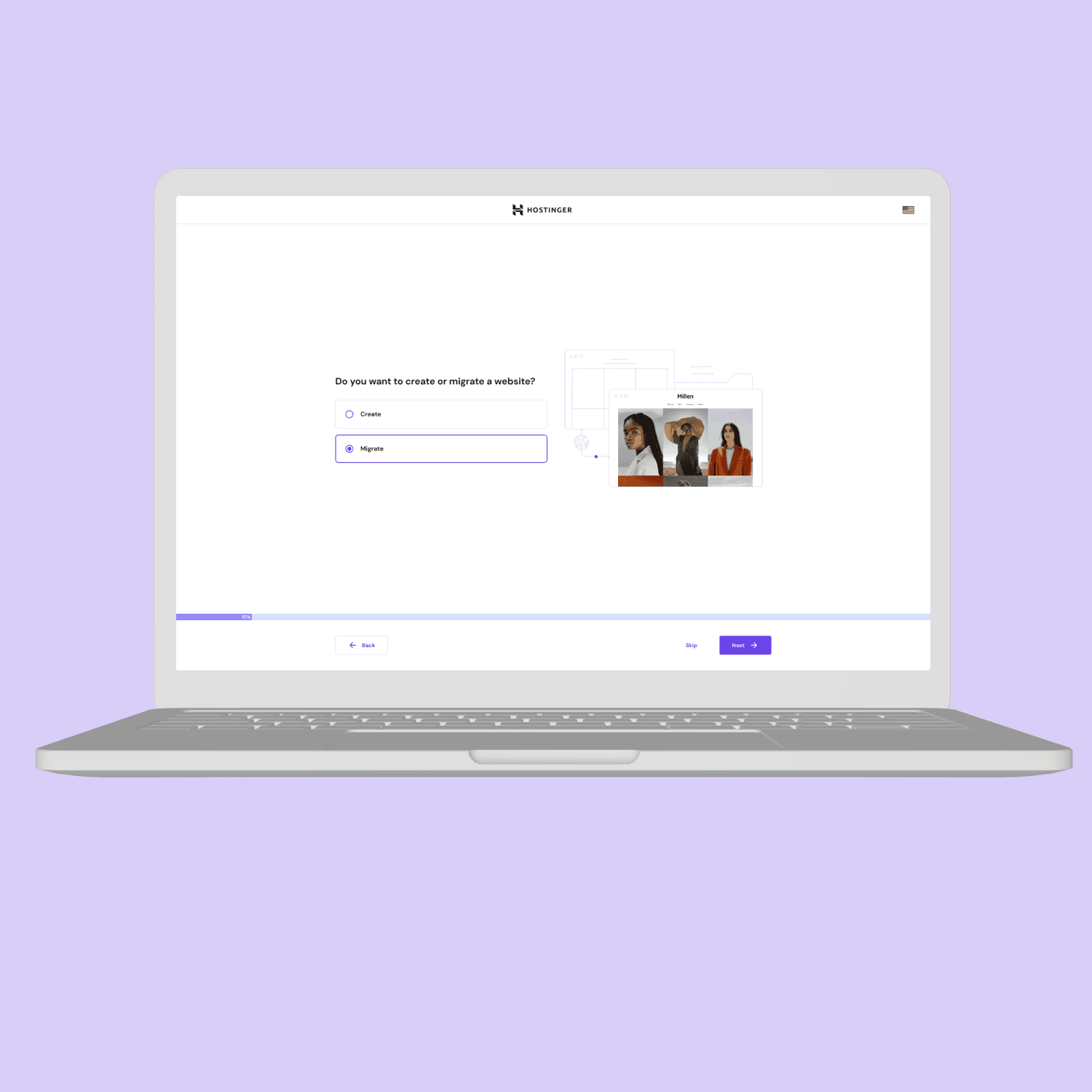
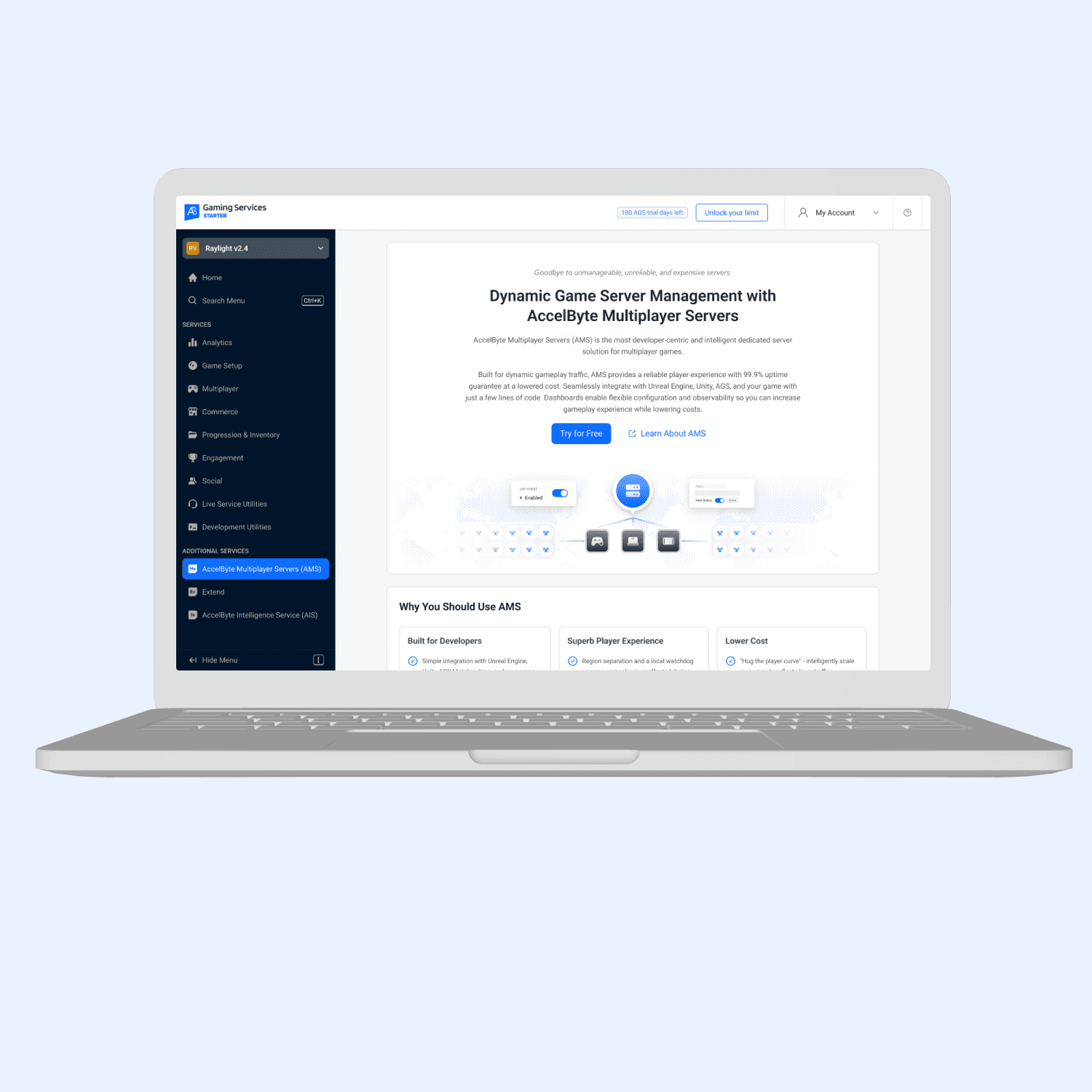
To solve these challenges, I designed a conversion-focused landing page alongside a modular, section-based CMS that enabled the content team to build pages from reusable components. This approach allowed the team to recreate more than 100 destination pages within a month while establishing a scalable foundation for future content.
The redesign reduced landing page drop-off from over 70% to around 30%, helping more visitors reach the visa application flow. It also streamlined content production, enabling faster page creation and iteration. Although the platform migration temporarily affected organic traffic, the new system created a stronger foundation for future SEO improvements and long-term scalability.







" height="20px" id="nI7FUoXPE" transform="translate(2 2)" width="20px"/></svg>)
" height="18.599999999999994px" id="FDJfVDwST" transform="translate(2.7 2.7)" width="18.599999999999994px"/></svg>)
" height="16.803750000000008px" id="hJbYoYIUX" transform="translate(3.6 3.6)" width="16.80000301949815px"/></svg>)
" height="14.400003051757778px" id="cPCyOUUsV" transform="translate(2.4 4.8)" width="19.199999999999996px"/></svg>)